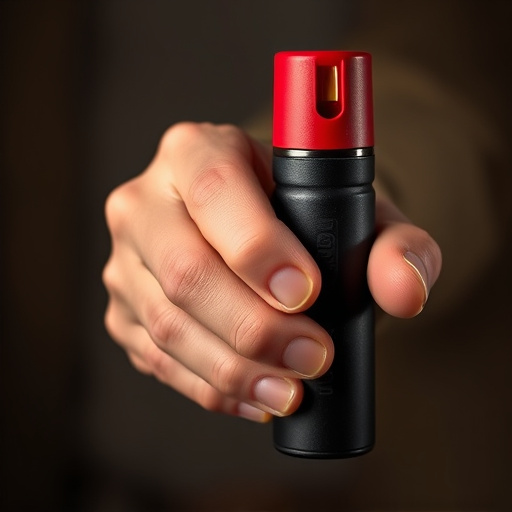
Environmental conditions drastically influence the effectiveness of pepper spray, a critical self-defense tool. Key factors like wind speed, temperature, and humidity affect its range, duration, and potency. In optimal settings, it can disable an attacker for minutes, offering escape time. However, harsh weather or high humidity may diminish its power, emphasizing the need to understand these variables for maximal safety during use. Strategic adaptation based on environmental conditions is key to optimal defense.
“Maximize your defense with maximum strength pepper spray—a powerful tool in personal safety. This comprehensive guide explores the full potential of this non-lethal self-defense mechanism, delving into its effectiveness and how environmental conditions affect pepper spray performance.
From understanding the concentrated power of maximum strength formulas to navigating various environments where these sprays excel, we uncover essential strategies for optimal defense. Get ready to explore real-world scenarios and gain insights into leveraging environmental factors to your advantage.”
- Understanding Maximum Strength Pepper Spray: Unveiling the Power
- Environmental Factors: The Silent Influencers in Pepper Spray Efficacy
- Strategies for Optimal Defense: Maximizing Protection Against Pepper Spray
- Real-World Scenarios: Navigating Environmental Challenges for Effective Pepper Spray Defense
Understanding Maximum Strength Pepper Spray: Unveiling the Power
Maximum strength pepper spray is a potent self-defense tool designed to incapacitate an attacker, providing users with a crucial window of opportunity to escape dangerous situations. This type of spray delivers a high concentration of capsaicin, the active ingredient responsible for the burning sensation associated with chili peppers. The power of maximum strength pepper spray lies in its ability to disrupt normal vision and breathing, temporarily neutralizing the threat.
Environmental conditions play a significant role in determining the effectiveness of pepper spray. Factors such as wind speed and direction, temperature, and humidity can affect the range and persistence of the spray’s effects. In ideal conditions, maximum strength pepper spray can stun an attacker for several minutes, giving the user time to retreat or call for help. However, in harsh weather or high humidity, the spray may dissipate more quickly, reducing its impact. Understanding these variables is essential for users to maximize the potential of their pepper spray defense and ensure personal safety.
Environmental Factors: The Silent Influencers in Pepper Spray Efficacy
The effectiveness of pepper spray is significantly influenced by environmental conditions, often overlooked factors that can make all the difference in a self-defense scenario. Temperature plays a critical role; pepper spray works best in warm environments as cold weather can reduce its potency. In extreme heat, however, the spray may evaporate too quickly, making it less effective for prolonged use. Humidity levels are another silent influencer; high humidity can cause the spray to spread more slowly, while low humidity allows it to travel further, potentially reaching attackers from a greater distance. Wind direction and strength are also crucial; tailwinds can carry pepper spray back towards the user, while headwinds may limit its range. These environmental conditions demand that individuals using pepper spray be aware of their surroundings, anticipate potential challenges, and adapt their defensive strategies accordingly.
Strategies for Optimal Defense: Maximizing Protection Against Pepper Spray
When preparing for a potential encounter with pepper spray, understanding how environmental conditions can affect its effectiveness is crucial for optimal defense. Factors like temperature and humidity play significant roles in the performance of pepper spray. In warmer environments, the chemical components may evaporate faster, reducing its potency over time. Conversely, high humidity levels can also impact its spread and intensity, making it less likely to reach the eyes effectively.
To maximize protection, consider adjusting your strategy based on these conditions. Wearing protective gear such as a face shield or balaclava can create a physical barrier against direct spray inhalation. Additionally, maintaining a safe distance from potential perpetrators and staying in well-ventilated areas can minimize exposure. Staying aware of the environmental context allows for better preparation and enhanced defense capabilities when faced with pepper spray.
Real-World Scenarios: Navigating Environmental Challenges for Effective Pepper Spray Defense
In real-world scenarios, the effectiveness of pepper spray defense can be significantly influenced by various environmental conditions. Moisture levels play a crucial role; high humidity can reduce the spray’s range and intensity, while dry conditions may cause it to evaporate faster. Temperature is another factor; extreme heat or cold can impact both the user’s performance and the spray’s potency.
Wind patterns are also critical. Strong winds can blow back the spray, rendering it less effective against attackers. Conversely, calm conditions allow for better accuracy and longer range. Additionally, weather events like heavy rain or snow can render pepper spray temporarily ineffective due to its water-soluble composition, emphasizing the need for strategic deployment in diverse environmental scenarios.
Understanding the maximum strength pepper spray defense involves recognizing both its power and the subtle yet significant role that environmental conditions play in its efficacy. By grasping these factors, individuals can employ strategies for optimal protection against pepper spray, ensuring their safety in diverse real-world scenarios. Environmental conditions affect pepper spray, making it crucial to be prepared and adaptable in various settings. With this knowledge, folks can confidently navigate challenging environments, knowing their defenses are enhanced and tailored to specific circumstances.