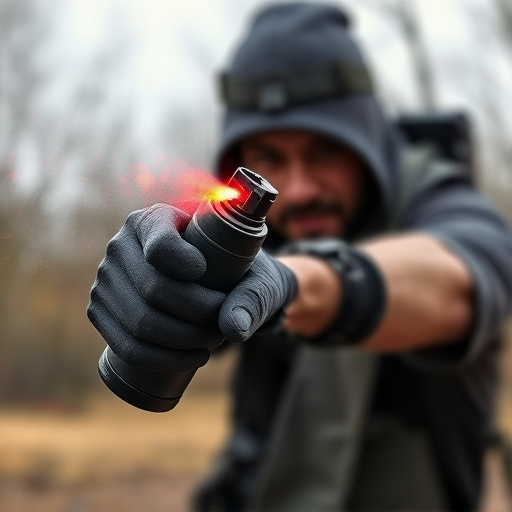
Environmental conditions significantly influence the effectiveness of pepper spray, with wind and humidity affecting its range and potency. Dry, windy areas may lead to faster dissipation, while high humidity can cause wider dispersion but potential loss of strength. Users should consider temperature-resistant formulations, water-resistant cans, and consistent misting mechanisms for optimal performance across diverse weather scenarios. Understanding these factors is crucial for strategic deployment, ensuring the best protection in various environments, and adhering to local legal guidelines regarding pepper spray usage.
In today’s unpredictable world, having a pocket-sized personal defense spray device is a smart step towards self-protection. This compact tool offers a sense of security, especially in unfamiliar environments. Understanding pepper spray’s effectiveness against various threats is crucial. The article delves into the science behind pepper spray’s active ingredients and how environmental conditions, such as wind, temperature, and humidity, affect its performance. We guide you through choosing the right device, navigating legalities, and ensuring safe usage.
- Understanding Pepper Spray: Active Ingredients and Their Effectiveness
- The Role of Environmental Factors: Wind, Temperature, and Humidity
- Choosing the Right Pocket-Sized Defense Spray: Features to Consider
- Legal Considerations and Regulations: Where Can You Use It?
- Safety and Training: Responsible Use for Personal Protection
Understanding Pepper Spray: Active Ingredients and Their Effectiveness
Pepper spray, a common pocket-sized personal defense device, contains capsaicin, a compound derived from chili peppers. This active ingredient is responsible for the burning sensation and temporary incapacitation it causes when sprayed into the eyes and respiratory system of an attacker. Studies show that pepper spray can be highly effective in deterring assaults, providing users with a crucial tool to protect themselves in potentially dangerous situations.
However, the effectiveness of pepper spray can be influenced by various environmental conditions. For instance, wind and humidity can significantly impact its range and durability. In dry and windy environments, the spray particles may dissipate more quickly, reducing its reach. Conversely, high humidity levels can cause the spray to spread more widely but potentially lose some of its potency. Understanding these factors is essential for users to make informed decisions about when and where to deploy their personal defense spray for optimal effectiveness.
The Role of Environmental Factors: Wind, Temperature, and Humidity
The effectiveness of a pocket-sized personal defense spray, often based on capsaicin or pepper spray, can be significantly influenced by environmental conditions such as wind, temperature, and humidity. In outdoor settings, wind direction plays a crucial role in how the spray disperses. A strong gust of wind could potentially blow the spray back towards the user, negating its intended purpose. Conversely, minimal wind allows for better control and a more targeted application.
Temperature and humidity also interact with pepper spray to alter its performance. Extreme heat can cause the liquid to evaporate faster, reducing its concentration at the target area. Cold temperatures, on the other hand, might solidify certain types of pepper spray, impacting its spraying mechanism. High humidity levels can lead to reduced spray distance due to water vapor in the air interacting with the spray’s chemical composition. Understanding these environmental factors is key to using personal defense sprays optimally and ensuring their effectiveness in various conditions.
Choosing the Right Pocket-Sized Defense Spray: Features to Consider
When selecting a pocket-sized personal defense spray, understanding its performance in various environmental conditions is crucial. Unlike some common misconceptions, pepper spray effectiveness isn’t solely determined by its strength but also by factors like temperature and humidity. In colder climates, the active ingredients in pepper spray might solidify or become less potent, affecting its range and impact. Conversely, high humidity can dilute the spray’s concentration, reducing its efficacy. Therefore, when shopping for a defense spray, consider products designed to maintain their potency across different weather conditions, ensuring reliability when you need it most.
Key features to look out for include temperature-resistant formulations, water-resistant cans (especially if used outdoors or near water sources), and a design that guarantees consistent misting regardless of ambient conditions. Additionally, check the spray’s range—a longer reach offers more time to escape potential threats. Always opt for brands that provide detailed information on their products’ performance in varying environments, ensuring peace of mind when carrying your defense spray in diverse settings.
Legal Considerations and Regulations: Where Can You Use It?
The legal landscape surrounding pocket-sized personal defense spray devices, often referred to as pepper spray, varies significantly across jurisdictions. It’s crucial for users to understand the specific regulations in their area before considering such a purchase. While many countries and states permit the use of pepper spray for self-defense, there are strict rules regarding where and how it can be employed. For instance, some regions ban its use in certain environmental conditions, such as indoor spaces or near sensitive areas like schools or hospitals, due to potential health risks associated with inhalation.
The Environmental Conditions Affect Pepper Spray regulations also play a significant role in determining its legality. Factors like temperature extremes, wind direction, and humidity levels can impact the spray’s effectiveness and range. In some jurisdictions, these conditions might limit or prohibit the open-carry of pepper spray, encouraging users to store it responsibly and only deploy it in specific situations where its use is legally permitted.
Safety and Training: Responsible Use for Personal Protection
Personal defense spray devices, when used responsibly, can be a powerful tool for self-protection. However, it’s crucial to understand that their effectiveness is heavily influenced by environmental conditions affect pepper spray. Wind, rain, or even sweat from the user can reduce the spray’s range and impact, making proper training essential. Learning the right techniques ensures maximum efficacy during emergencies, regardless of external factors.
Training should cover not just how to deploy the spray but also when and where it’s most effective. It’s important to practice in diverse settings to prepare for real-world scenarios. Understanding the spray’s active ingredients and their duration of effect is key to making informed decisions in high-stress situations. Responsible use means being familiar with local laws and always aiming low, avoiding eyes and vulnerable areas to minimize harm while maximizing deterrence.
When it comes to personal defense, a pocket-sized spray can be a powerful tool. By understanding the active ingredients, environmental conditions that impact their effectiveness, and legal boundaries surrounding their use, individuals can make informed decisions. Choosing the right device and ensuring proper training empowers users to protect themselves confidently in various situations. Remember, knowledge and preparation are key to navigating potential risks, especially when considering how Environmental Conditions Affect Pepper Spray performance.